Commission on the Status of Women (CSW)
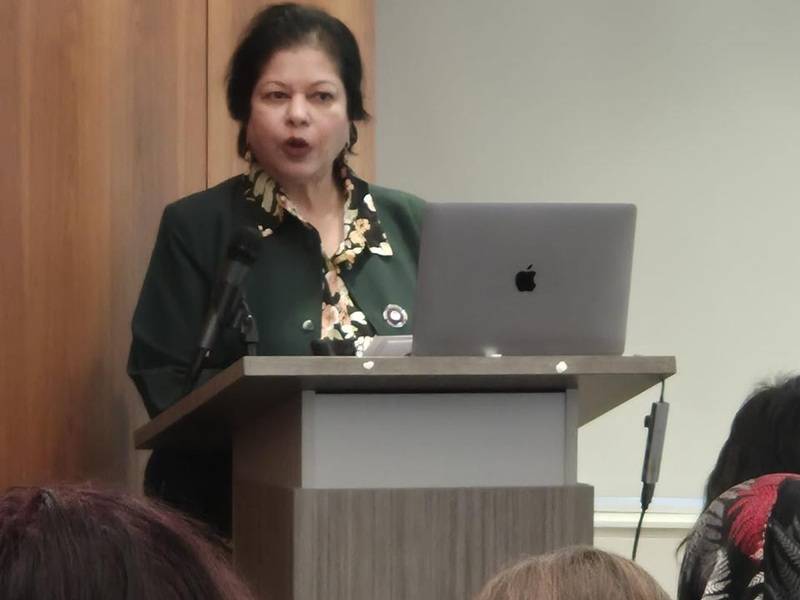
Dr. Pillai has participated in five sessions of the United Nations Commission on the Status of Women (CSW), both in person and online.
Glimpses into CSW 70
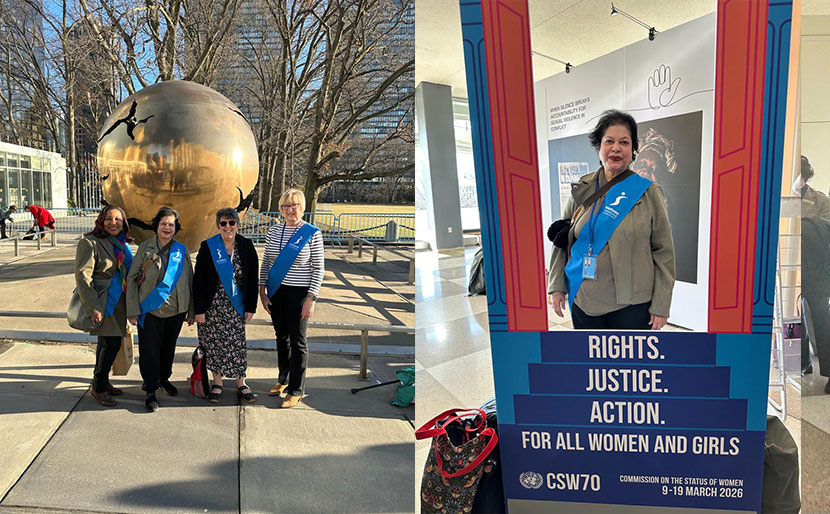
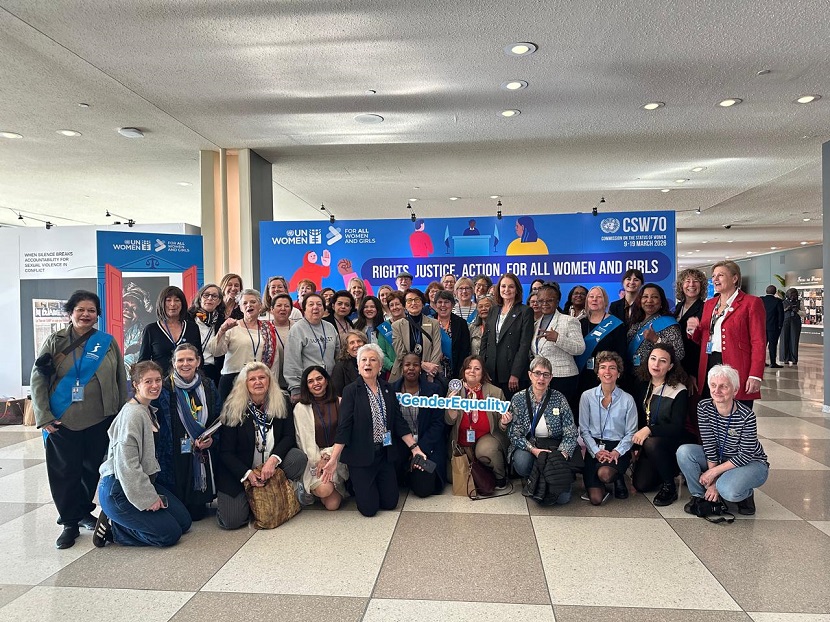
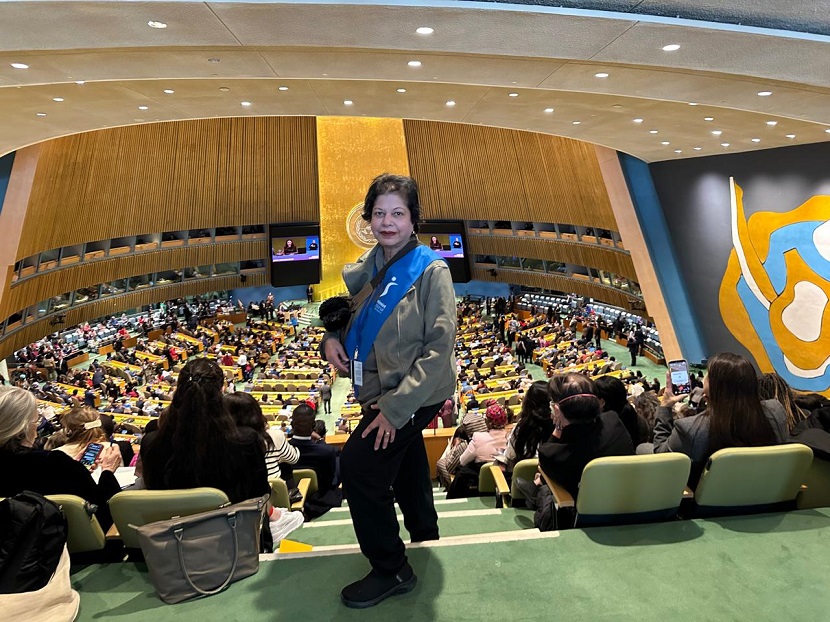
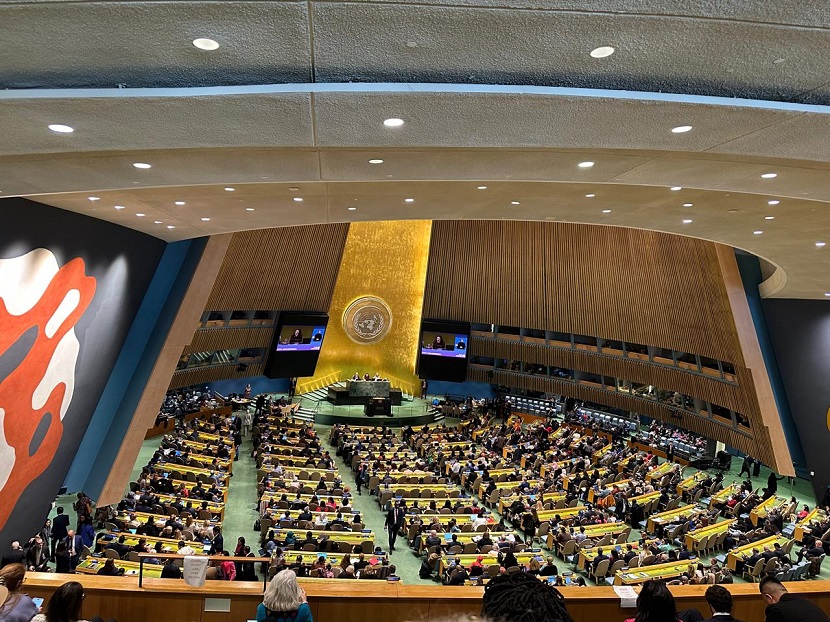
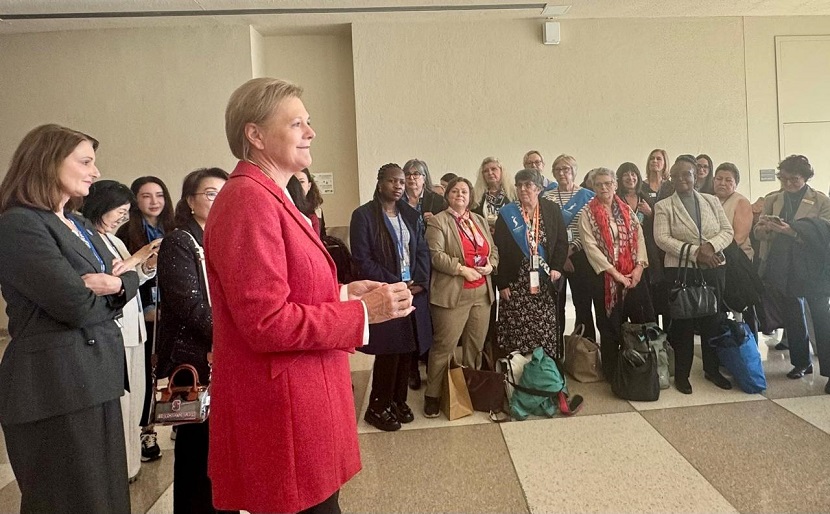
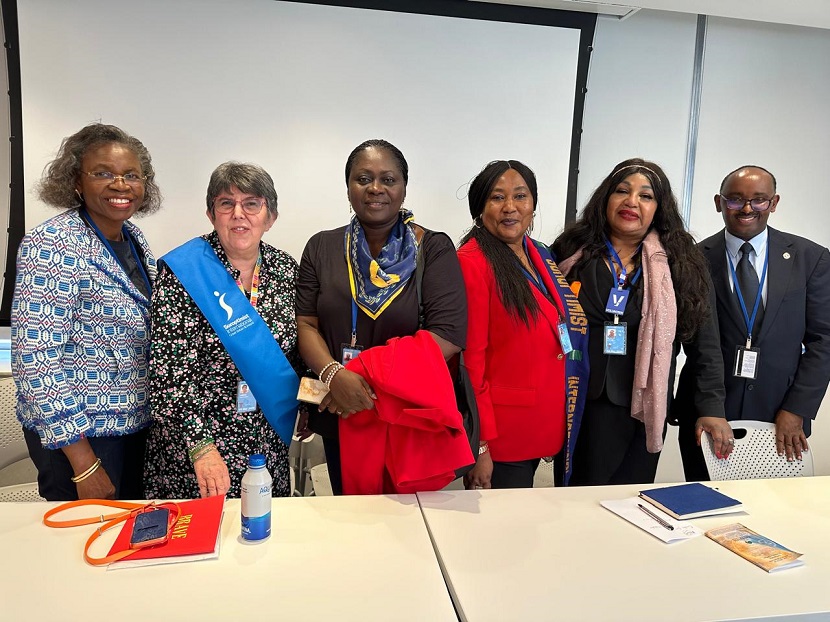
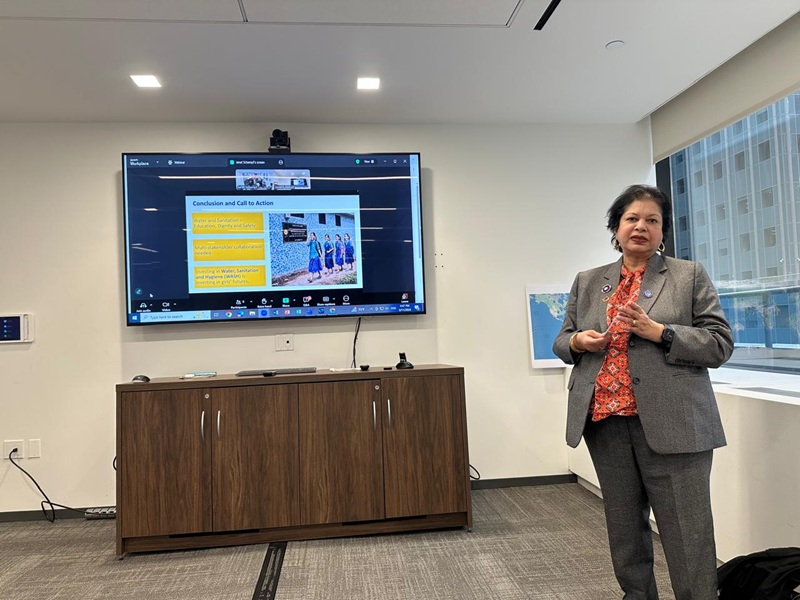
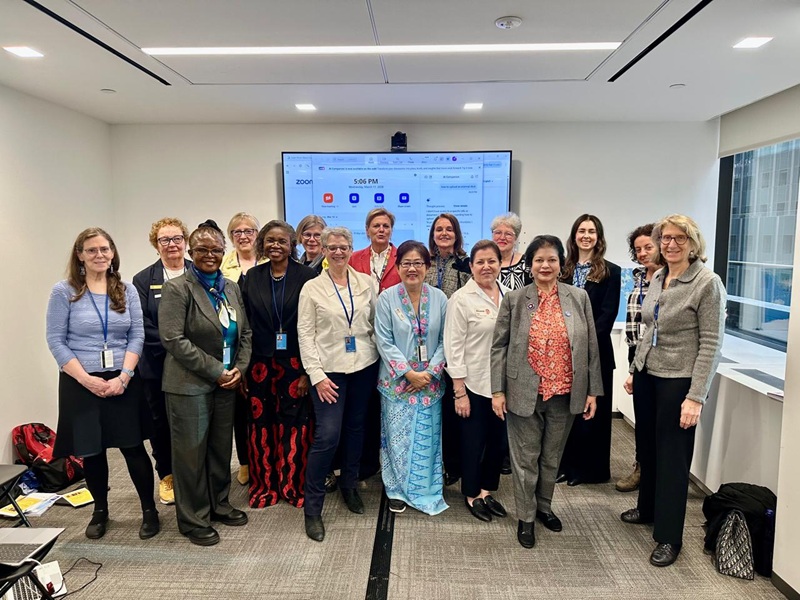
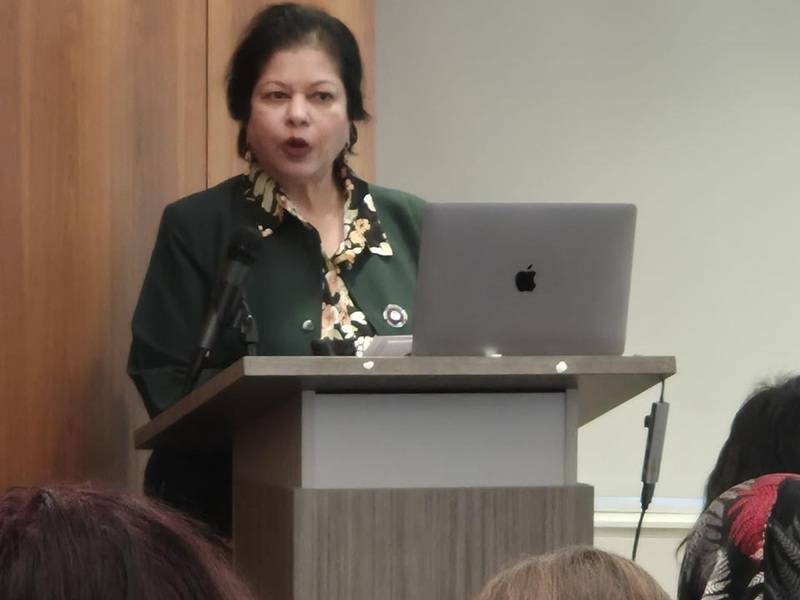
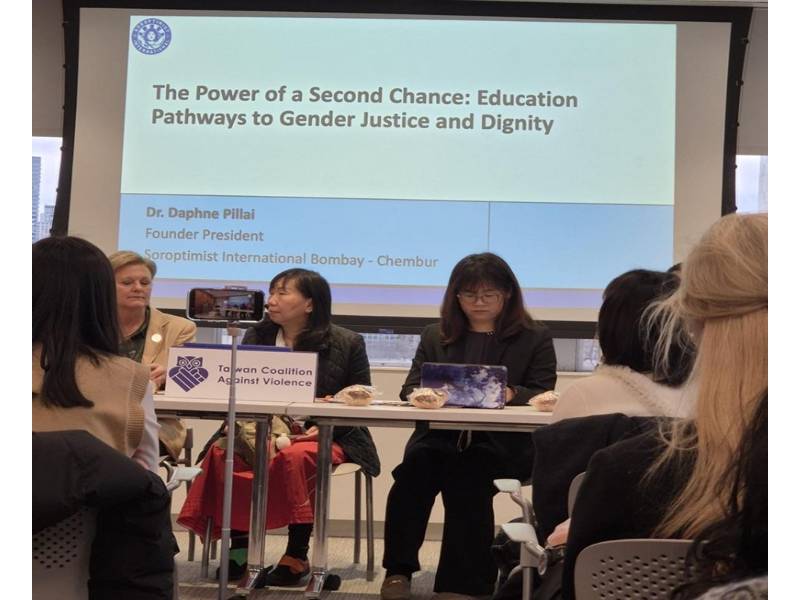

Dr. Pillai has participated in five sessions of the United Nations Commission on the Status of Women (CSW), both in person and online.
Glimpses into CSW 70
CSW 70 – 2026 (In Person)
Delegate: SIGBI (Soroptimist International Great Britain and Ireland)
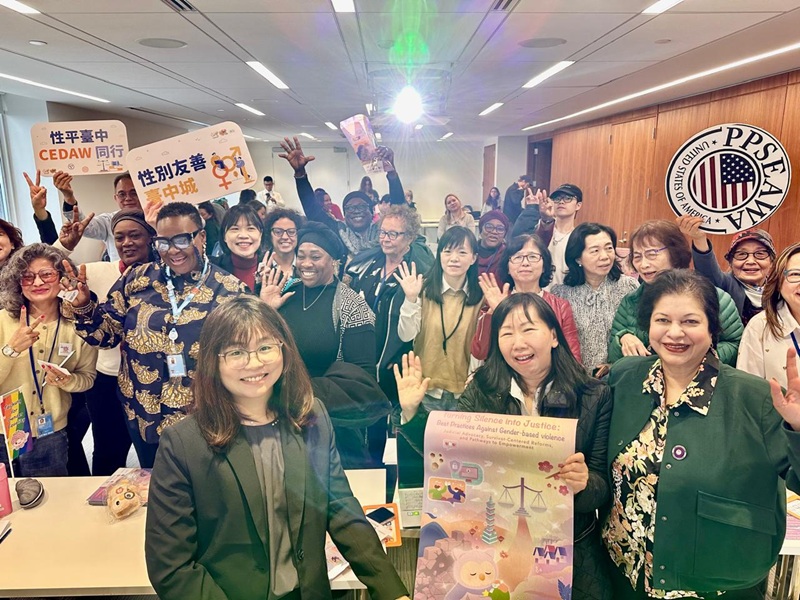
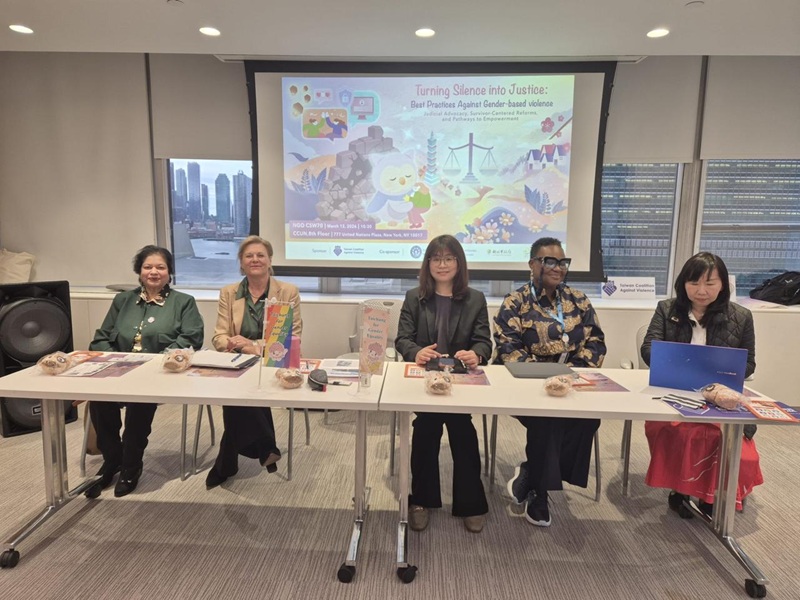
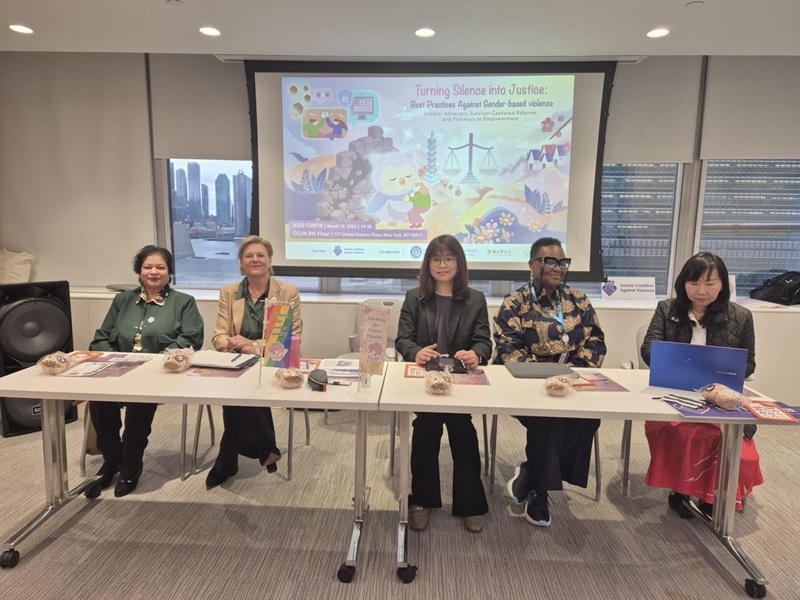
Speaker: “Turning Silence into Justice: Best Practices Against Gender-Based Violence”
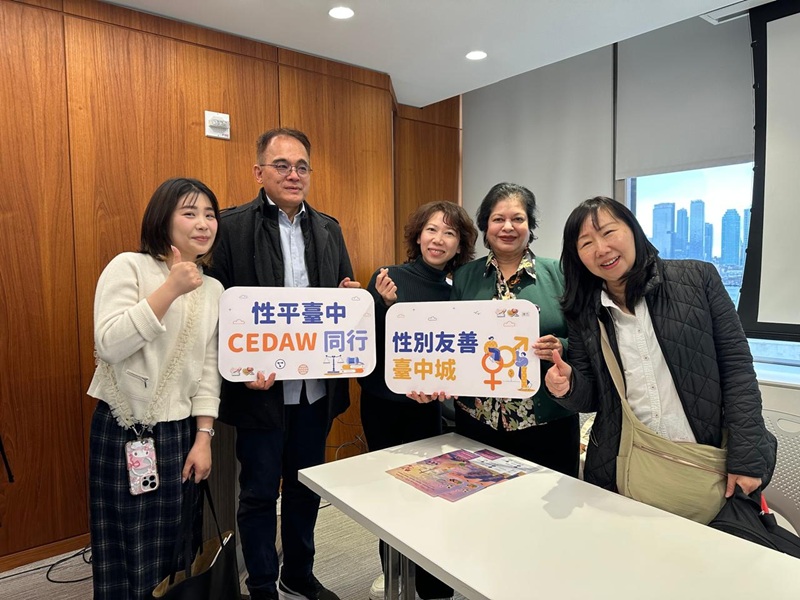
Organisers: Taiwan Coalition Against Violence and Taipei City Government
Moderator: Shu-wen Liao
Date: 12 March, 2026
Venue: Church Center for the United Nations, 10th Floor, New York
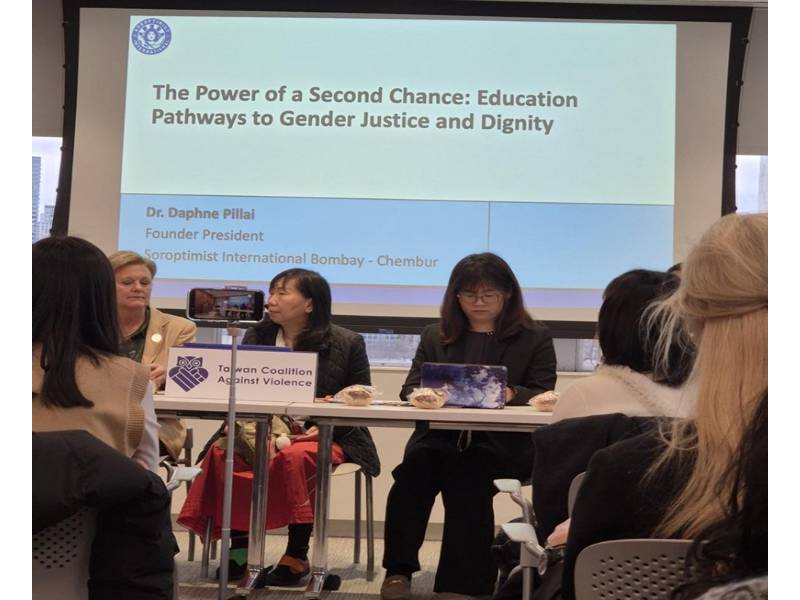
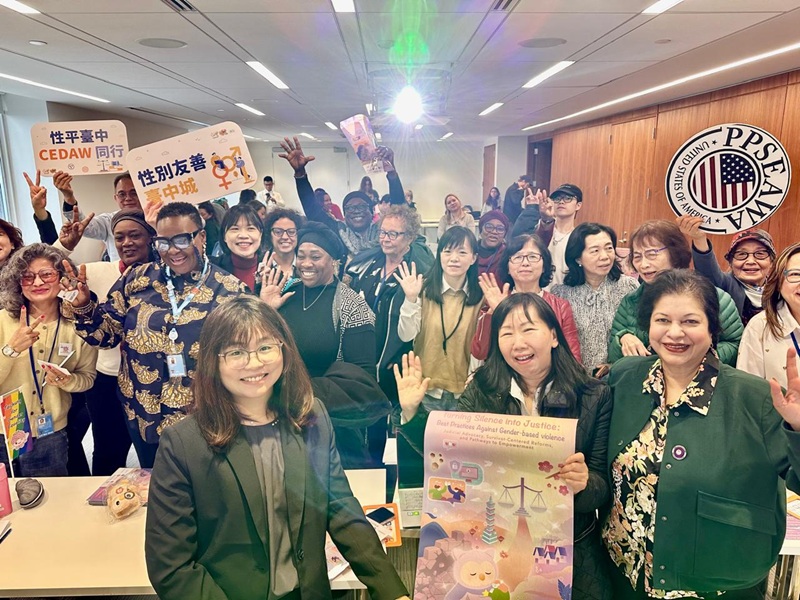
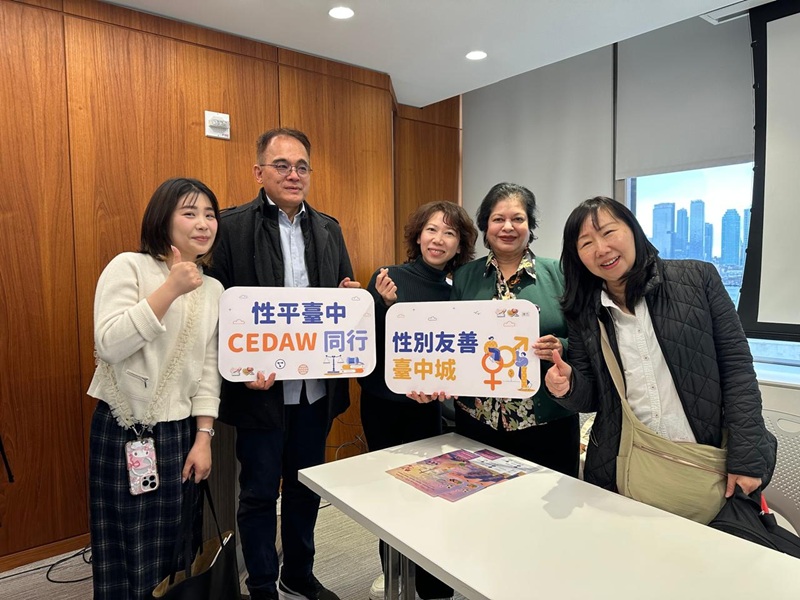
Blog written by Dr. Daphne Pillai
Gender-based violence in India cannot be addressed unless we confront an uncomfortable truth: much of it is hidden in plain sight. It is embedded in tradition, reinforced by social norms, and often dismissed as “private” or “cultural.”
Violence is not only physical. It is structural, systemic, and deeply normalised.
It begins early. Child marriage continues to deny girls their right to education, autonomy, and choice—locking them into cycles of dependency and vulnerability. Dowry-related abuse persists in insidious forms, including emotional coercion, financial pressure, and neglect. Son preference and sex-selective practices reflect a society where the value of a girl is questioned even before birth.
Within homes, violence is frequently invisible. Marital rape remains uncriminalised, leaving women without legal recognition of their most basic right: consent. Women’s mobility, finances, and social interactions are often controlled, while psychological abuse erodes their confidence and sense of self. These are not isolated incidents—they are manifestations of structural inequality.
The burden is even heavier for women at the intersections of caste, class, and community. Dalit and Adivasi women face disproportionate violence, often used to reinforce social hierarchies. Honour-based abuse, acid attacks, and economic exclusion further illustrate how power and patriarchy intersect to silence women.
If we continue to define gender-based violence narrowly, we will continue to respond inadequately.
The response must be broader, deeper, and more transformative.
As highlighted by Berthe de Vos in her reflections on Convention on the Elimination of All Forms of Discrimination against Women (CEDAW), legal frameworks alone are not sufficient unless they are translated into lived realities for women and girls. The gap between rights on paper and rights in practice remains one of the greatest challenges in advancing gender justice.
Education is not just a development priority—it is a strategic intervention against violence.
For nearly three decades, initiatives under The Power of a Second Chance by Soroptimist International of Bombay Chembur have demonstrated how education can disrupt cycles of abuse. Adult literacy programmes have enabled women to reclaim agency, build confidence, and participate in decision-making. Skills training and livelihood opportunities have reduced economic dependency—one of the strongest drivers of vulnerability to abuse.
In today’s context, digital and financial literacy are equally critical. Access to technology allows women to connect to support systems, report violence, and participate in the economy. Financial knowledge equips them to make independent decisions, avoid exploitation, and build sustainable futures.
At the community level, awareness initiatives from street theatre to school-based education on bodily autonomy—are challenging harmful norms and creating space for dialogue. Legal awareness programmes are transforming women from silent survivors into informed rights-holders.
These interventions demonstrate a critical truth: empowerment is both prevention and protection.
When we invest in education, we do more than empower individuals.
We give meaning to global commitments like CEDAW.
We bridge the gap between rights and reality.
And we move from silence to justice.
CSW 70 – 2026 (In Person)
Delegate: SIGBI (Soroptimist International Great Britain and Ireland)
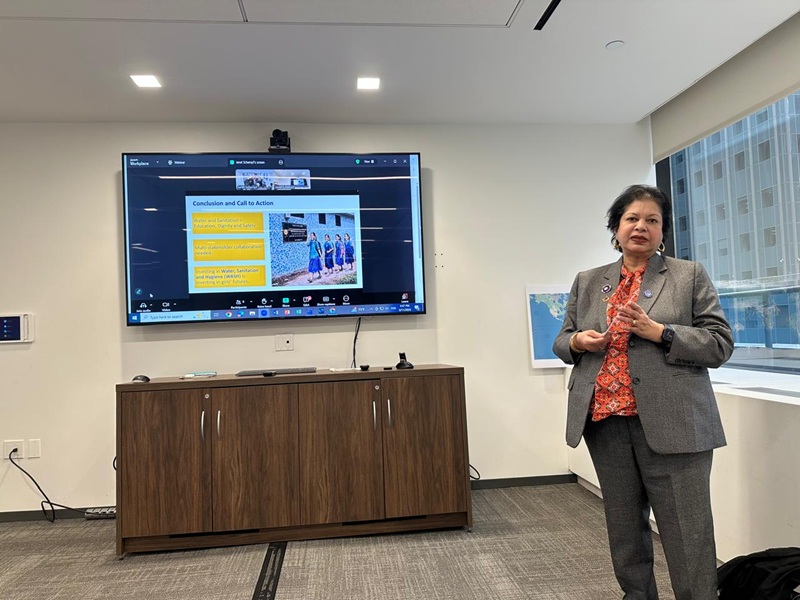
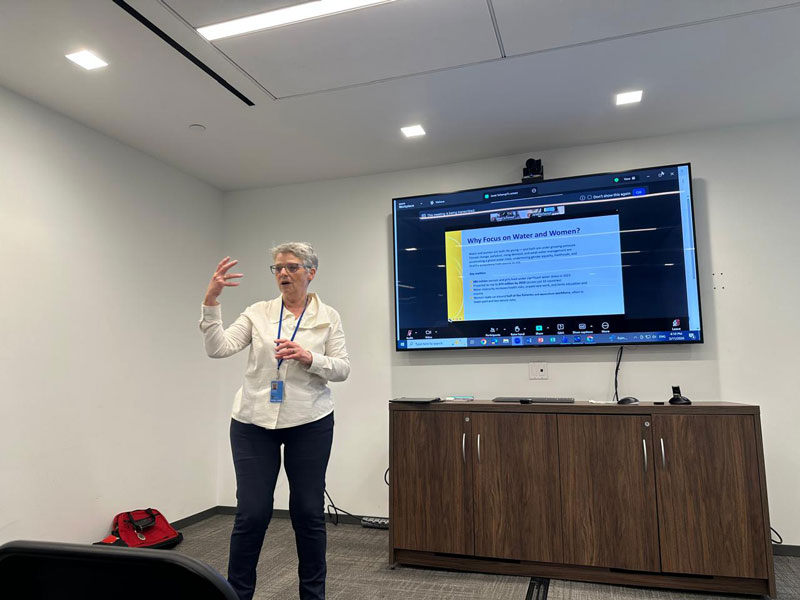
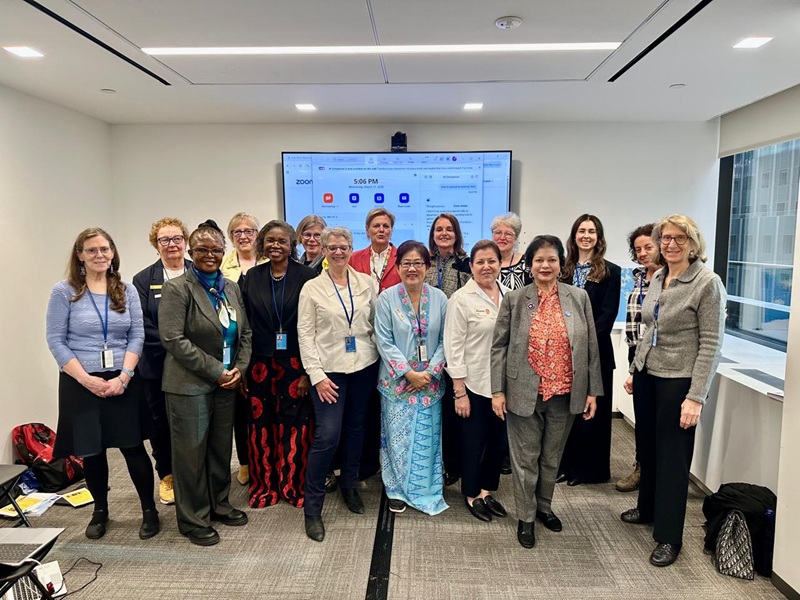
Topic: “Dignity in Every Drop: Water, Hygiene and Girls’ Right to Learn”
Organisers: Soroptimist International and Commonwealth Secretariat
Date: 11 March, 2026
Venue: Commonwealth Secretariat, New York
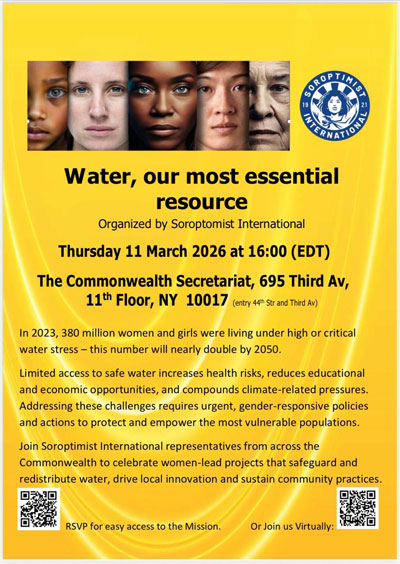
Blog written by Dr. Daphne Pillai
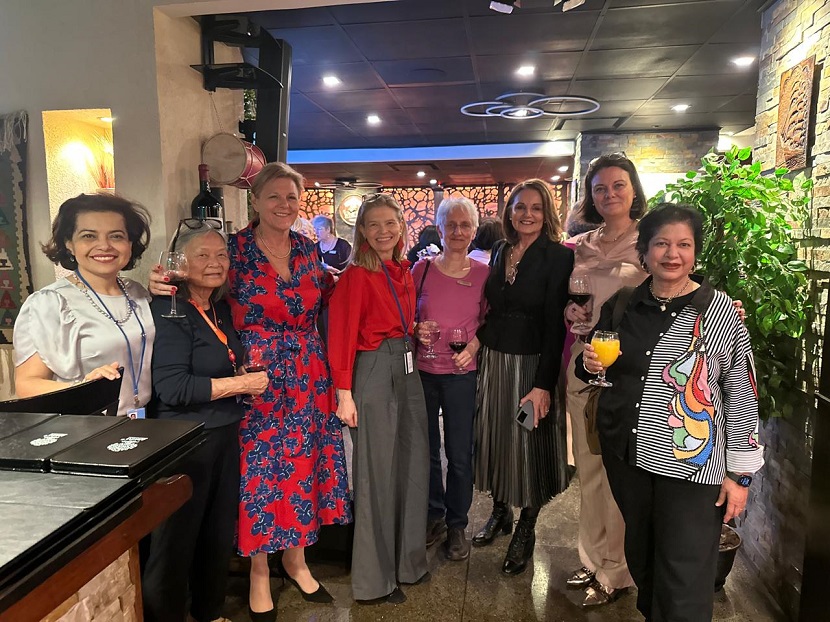
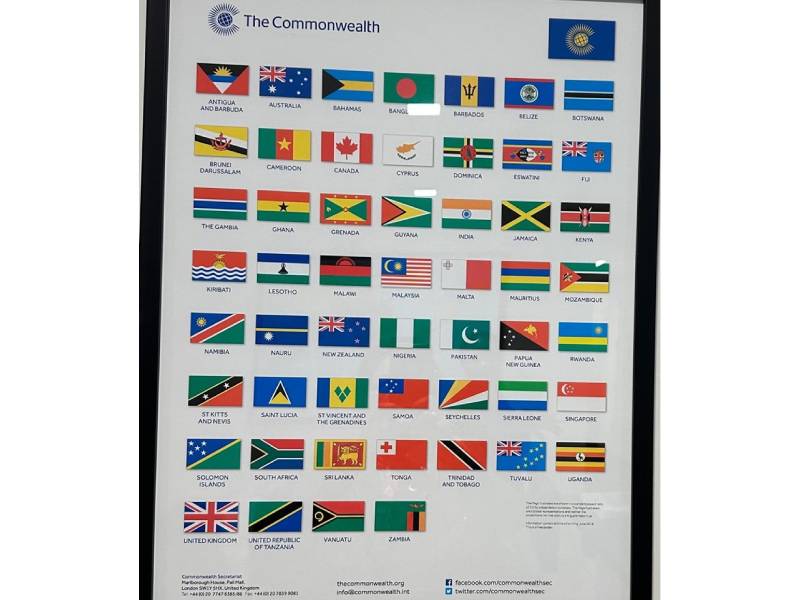
Water, our most essential resource, was at the heart of a powerful and thought-provoking event that brought together global voices, lived experiences, and actionable solutions. Hosted by Soroptimist International on behalf of the Commonwealth Union on Match 11th, 2026 the session opened with a warm and engaging welcome by Pascale Muylaert, who set the tone by reminding us that access to clean water is not only a basic human need, but a fundamental right closely tied to dignity, education, and equality.
The event unfolded through a series of compelling case studies that demonstrated how local action can drive global impact. Joanne Yeoh shared the inspiring story of “Seeds of Change: Clean Water and Rural Empowerment in East Malaysia,” highlighting how sustainable water access initiatives are transforming rural communities, improving livelihoods, and strengthening food security. Her presentation underscored the critical link between water, agriculture, and women’s empowerment.
From Malaysia, the focus shifted to Africa, where Alice Owuor presented a practical and impactful case study on how water tanks and dams are helping build food security in Kenya. Her insights illustrated how relatively simple infrastructure solutions can have far-reaching effects which enable communities to withstand climate variability while enhancing resilience and self-sufficiency.
A deeply personal and compelling segment followed with “Dignity in Every Drop: Water, Hygiene and Girls’ Right to Learn in Raigad District, Maharashtra,” presented by Dr. Daphne Pillai. This case study brought into sharp focus the intersection of water, sanitation, and education, showing how access to safe water and hygiene facilities directly influences girls’ school attendance, confidence, and long-term opportunities. The discussion that followed reflected both concern and commitment, reinforcing the urgent need for sustained investment in water and sanitation infrastructure in educational settings.
The conversation then broadened to a global perspective with “Living on the Edge: Climate Refugees,” presented by Dr. Donnell Davies. This session highlighted the growing reality of displacement driven by climate change, where water scarcity and environmental degradation are forcing communities to migrate. It served as a sobering reminder that water is not only a development issue, but increasingly a matter of survival and global stability.
A particularly inspiring moment was the introduction of a global network of women water champions, leaders and changemakers working at the grassroots and policy levels to advocate for sustainable water solutions. Their collective efforts demonstrate the power of collaboration and the importance of women’s leadership in addressing one of the world’s most pressing challenges.
The event concluded with a strong call to action, encouraging participants to engage with and support the UNESCO Multi-Stakeholder Coalition, reinforcing the idea that multi-sector partnerships are essential to achieving lasting impact. In her closing remarks, Renata Trottmann-Probst reflected on the urgency of the discussions and the responsibility we all share in ensuring equitable access to water.
As the session drew to a close, one message resonated clearly: water is not just a resource but it is the foundation of life, dignity, and opportunity. Ensuring access for all is not optional; it is imperative.
CSW 66 – 2022 (Online)
Delegate: National Board of Catholic Women (England and Wales)
Speaker: “Water, Climate Change and Life Chances for Girls and Women”
Date: 15 March, 2022
At my CSW 66 presentation on Climate Change and Water Crisis, attention was drawn to the disproportionate impact of climate change on women, particularly in rural India. Rising temperatures, erratic rainfall, droughts, floods, and declining water resources have intensified food insecurity, reduced agricultural productivity, increased unemployment, and triggered migration.
Women are often the first responders to water scarcity because they bear primary responsibility for securing water for their families. In many rural communities, women and girls walk long distances several times a day to collect water from wells or public taps, affecting their health, education, and economic opportunities. The lack of adequate sanitation and water facilities in schools also contributes to girls dropping out of education.
The discussion highlighted additional challenges faced by women, including exposure to contaminated water and water-borne diseases, caste-based discrimination in access to water sources, and the severe impact of climate change on women engaged in agriculture and livestock management. Droughts, delayed monsoons, and reduced crop yields place further economic burdens on women, often forcing them to seek additional income simply to secure water for household and agricultural needs.
Several practical solutions were proposed. These included promoting rainwater harvesting, water conservation practices, safe water treatment methods, recycling of water, and sustainable agricultural techniques such as mulching to retain soil moisture. Emphasis was placed on training women in water management, irrigation systems, plumbing skills, and digital literacy so they can access information and implement local solutions.
The presentation also highlighted successful government initiatives such as the Swajal Project, which provides sustainable drinking water access while creating employment opportunities for women, and the Mahatma Gandhi National Rural Employment Guarantee Scheme (MGNREGS), which supports climate-resilient activities including water conservation, agroforestry, and mangrove restoration.
The key conclusion was that women must be placed at the centre of climate adaptation and water management strategies. Through education, leadership opportunities, skill development, and active participation in decision-making, women can play a transformative role in building resilient communities and ensuring sustainable water security for future generations.
CSW 65 – 2021 (Online)
Delegate: National Board of Catholic Women (England and Wales)
Speaker: “Women in Leadership: A Faith Perspective”
Date: March 18, 2021
Faith has been a guiding force throughout my life. Born and baptized Roman Catholic, I was raised in a deeply religious household. I attended Sunday Catechism classes, studied in a convent school run by Catholic nuns, recited the Rosary daily, and attended Mass every Sunday. Today, I remain a practicing Roman Catholic and continue to draw strength and purpose from my faith.
Life, however, has also taught me the beauty of diversity. I married a Hindu who embraces and respects all faiths, and one of my sons married his childhood sweetheart, a Muslim woman. Our family is a reflection of India itself which is a harmonious blend of different beliefs and traditions, united by mutual respect and understanding.
This spirit of inclusivity extends into my professional life. As Chairperson of the Management Board of Mahatma Education Society and Co-Founder of the Pillai Group of Institutions, I have the privilege of serving nearly 30,000 students annually across 48 educational institutions, from pre-primary to postgraduate levels. Our students come from every major faith and community—Hindus, Muslims, Christians, Parsis, Sikhs, Jews, and others. Respecting diversity and creating an environment where every student feels valued has been central to our success.
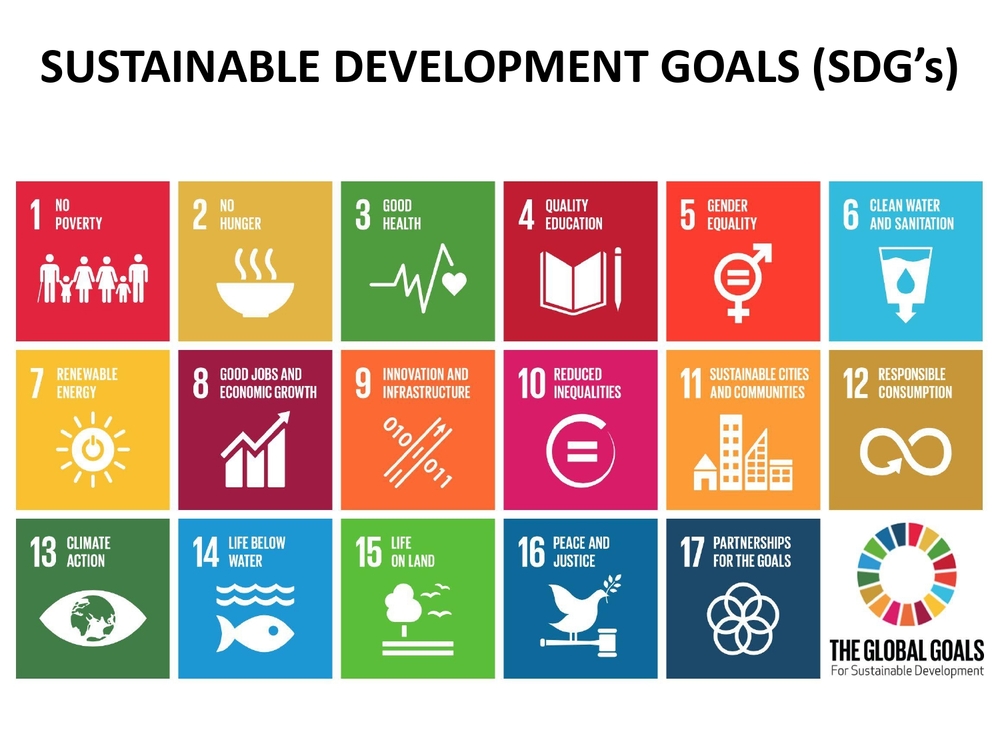
Today, when we discuss leadership from a faith perspective, I believe that true leadership is rooted in compassion, dignity, service, and equality. These values are reflected in the United Nations Sustainable Development Goals, particularly SDG 4 (Quality Education) and SDG 5 (Gender Equality).
Education and Gender Equality: A Leadership Responsibility
In India, the issues surrounding girls’ education and gender equality are complex. They are deeply intertwined with history, culture, traditions, and long-established perceptions of the roles of men and women in society. The challenges vary across urban and rural communities, socio-economic groups, regions, and religious backgrounds.
As educators, however, we prefer not to focus on divisions. Instead, we focus on solutions.
One of the greatest challenges begins at birth. In many communities, a girl child is still viewed as a liability rather than an asset. While a son is often seen as a future breadwinner, a daughter may be regarded as a financial burden due to traditional expectations surrounding marriage and dowry. Such attitudes can have devastating consequences, including reduced access to nutrition, healthcare, and education.
Many girls are withdrawn from school to assist with household responsibilities or because their education is not considered a priority. As a result, countless young women are denied opportunities that could transform their lives.
The Power of a Second Chance
Years later, many of these women realize that they have missed opportunities for personal growth and economic independence. Without education, they often lack confidence and feel limited by their circumstances.
This is where women leaders can make a profound difference.
Through adult literacy initiatives and skill development programs, we can offer women a second chance at education. These programs equip them with practical, income-generating skills such as tailoring, beauty and wellness services, computer applications, desktop publishing, graphic design, and other vocational competencies.
Recognizing the needs of working adults, we also established a Night Degree College, enabling students to earn a livelihood during the day while pursuing higher education in the evenings. Many highly motivated individuals have used this opportunity to acquire business and professional qualifications that have transformed their futures. These initiatives form an important part of our commitment to social responsibility.
Empowering Women Through Entrepreneurship
The COVID-19 pandemic accelerated changes in the global economic landscape, creating both challenges and opportunities. In response, we established a women’s organization dedicated to promoting entrepreneurship and economic empowerment.
Our goal is to help women build sustainable businesses and connect with global markets through e-trade platforms, international exhibitions, and networking opportunities. By leveraging technology and global connectivity, even women without formal educational qualifications can develop successful enterprises and achieve financial independence.
Leadership Through Faith and Service
Faith teaches us that every individual possesses inherent dignity and worth. Leadership inspired by faith is not about authority or status; it is about service, inclusion, and creating opportunities for others to flourish.
As women leaders, educators, and changemakers, we have the responsibility to open doors, break barriers, and create pathways for future generations. Every girl who stays in school, every woman who gains a new skill, and every entrepreneur who achieves financial independence brings us one step closer to a more just and equitable world.
The true measure of leadership lies not in what we achieve for ourselves, but in how many lives we empower along the way.
CSW 62 – 2018 (In Person)
Delegate: SIGBI (Soroptimist International Great Britain and Ireland)
Speaker: “Challenges Faced by Women in India”
Date: March 14, 2018
Venue: The Fedcap Group, New York.
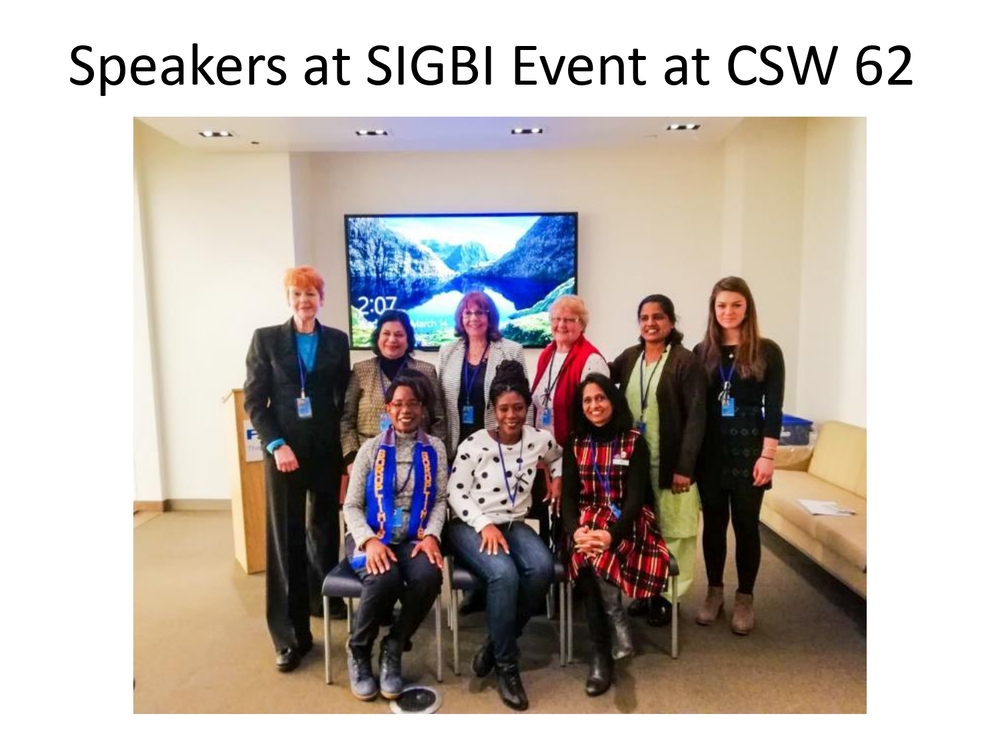
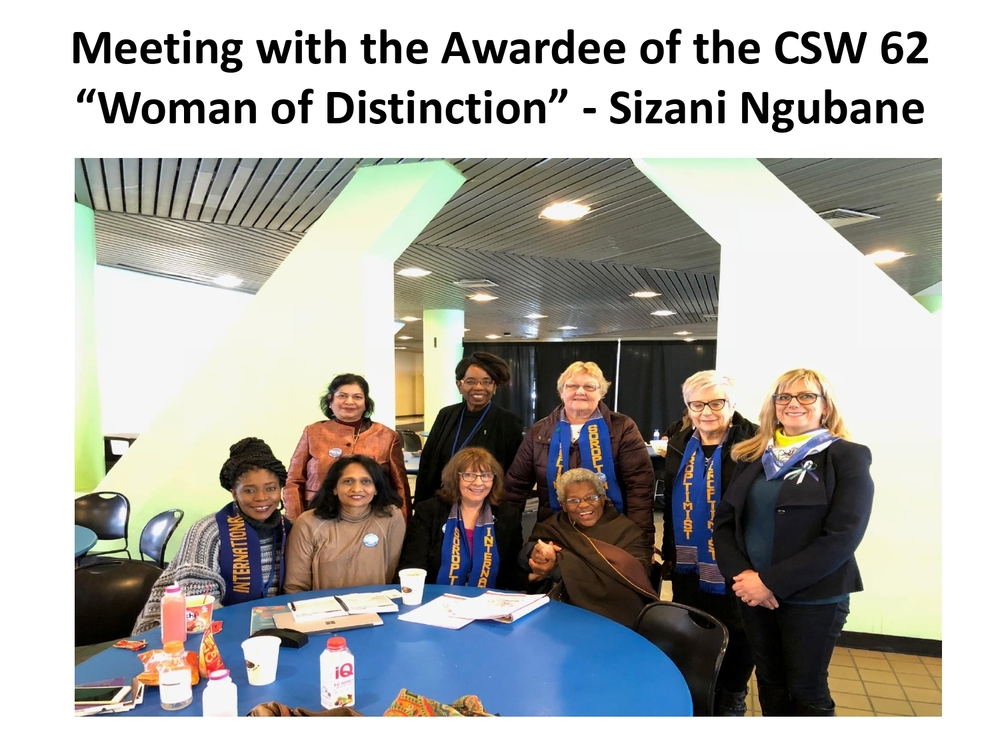
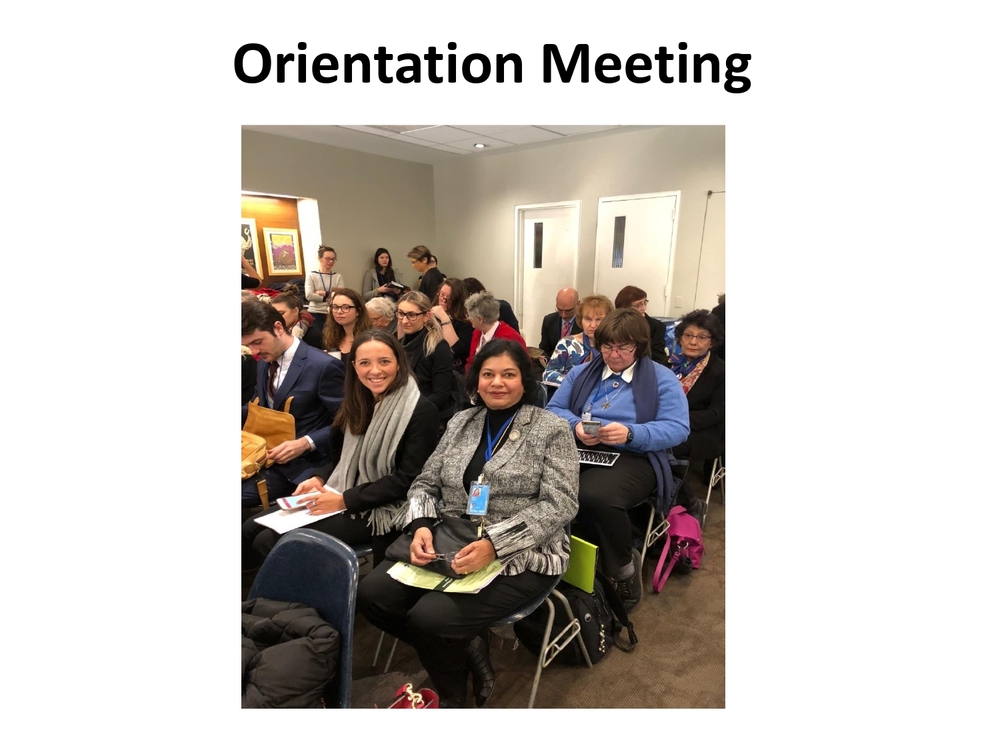
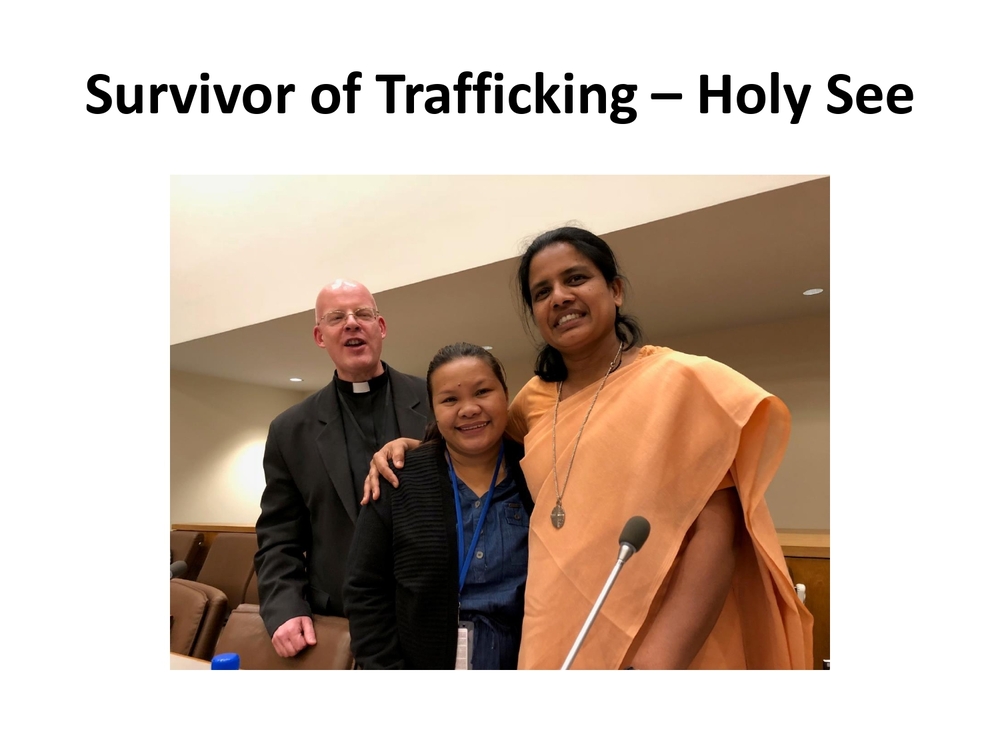
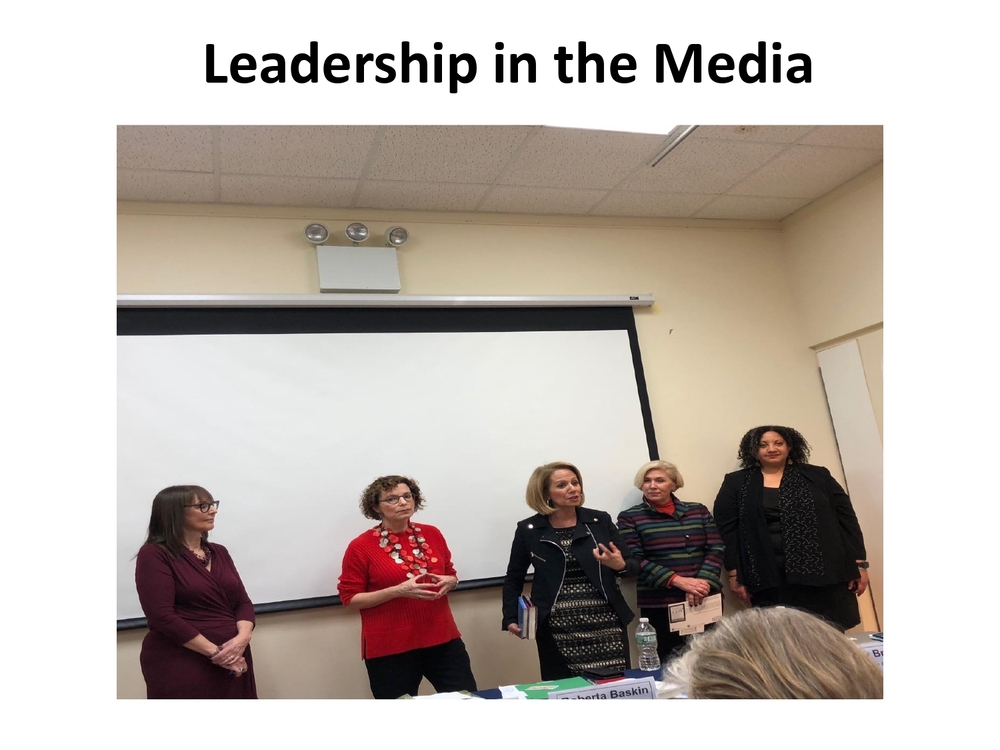
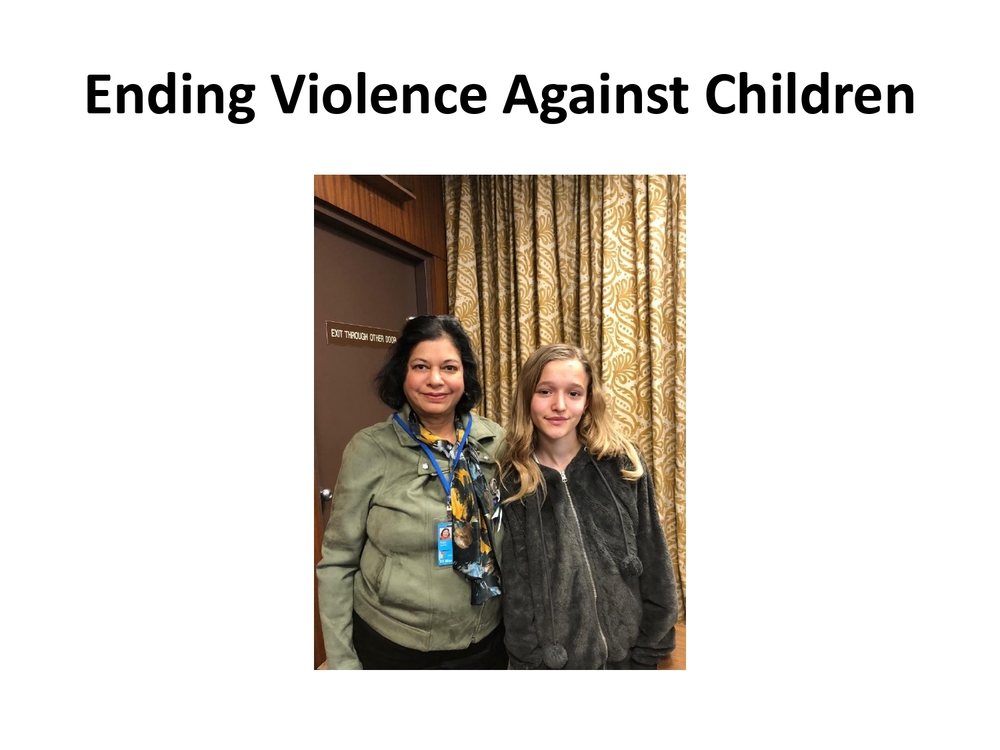
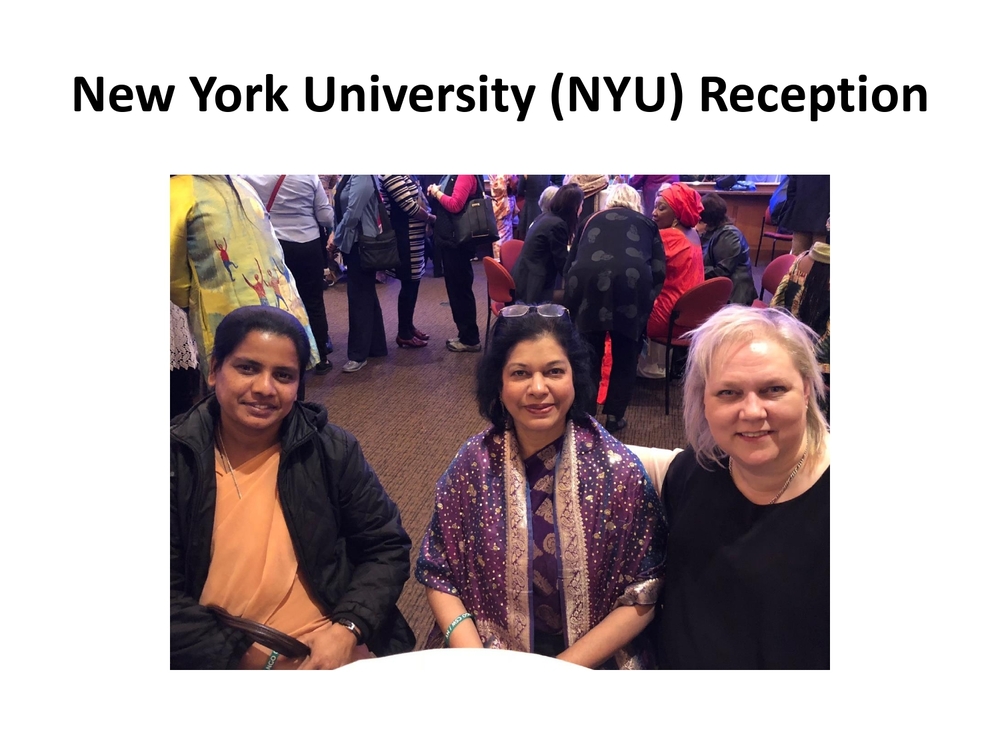
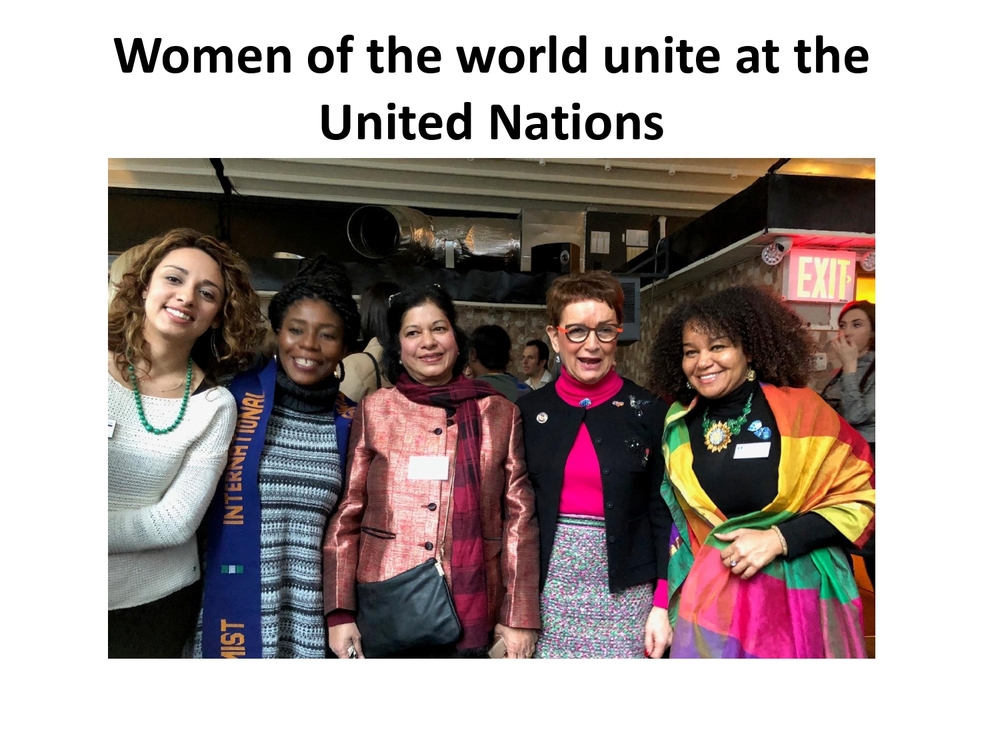
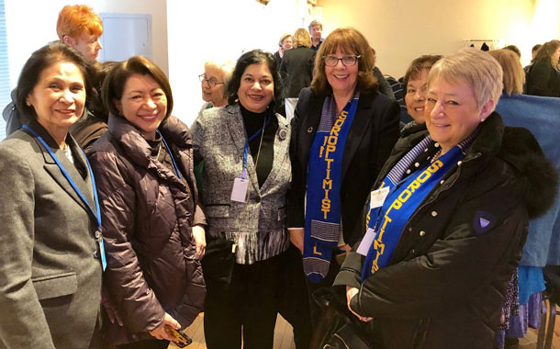
The Commission on the Status of Women (CSW) is the largest annual gathering of the international women’s movement at the United Nations. It provides a unique opportunity for leaders in gender equality and women’s empowerment to come together on a common platform to influence the UN agenda. The CSW is the principal intergovernmental body exclusively dedicated to the promotion of gender equality and empowerment of women. It is instrumental in documenting the reality of women’s lives throughout the world, and shaping global standards of gender equality and the empowerment of women.
The UN Charter established the Economic and Social Council (ECOSOC) to coordinate the economic and social work of the United Nations. It is one of the six main organs of the United Nations and is responsible for promoting higher standards of living, full employment, and economic and social progress; identifying solutions to international economic, social and health problems; facilitating international cultural and educational cooperation; and encouraging universal respect for human rights and fundamental freedoms. ECOSOC’s purview extends over 70 per cent of the human and financial resources of the entire UN system.
Soroptimist International (SI) is an ECOSOC member.
The UN Charter established the Economic and Social Council (ECOSOC) to coordinate the economic and social work of the United Nations. It is one of the six main organs of the United Nations and is responsible for promoting higher standards of living, full employment, and economic and social progress; identifying solutions to international economic, social and health problems; facilitating international cultural and educational cooperation; and encouraging universal respect for human rights and fundamental freedoms. ECOSOC’s purview extends over 70 per cent of the human and financial resources of the entire UN system.
Soroptimist International (SI) is an ECOSOC member.
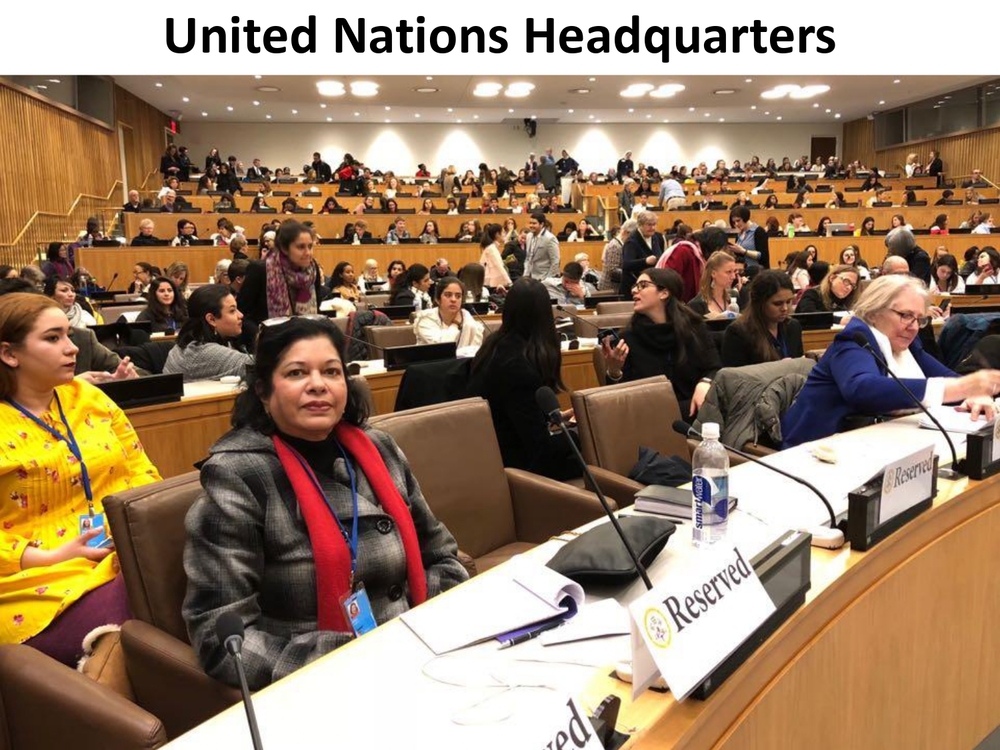
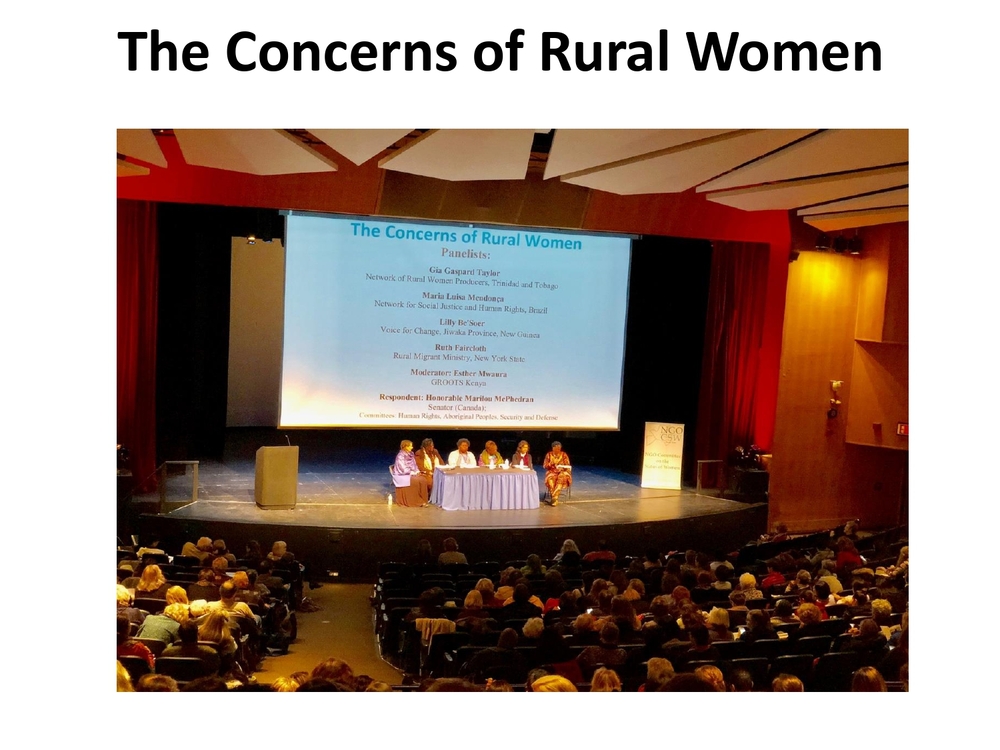
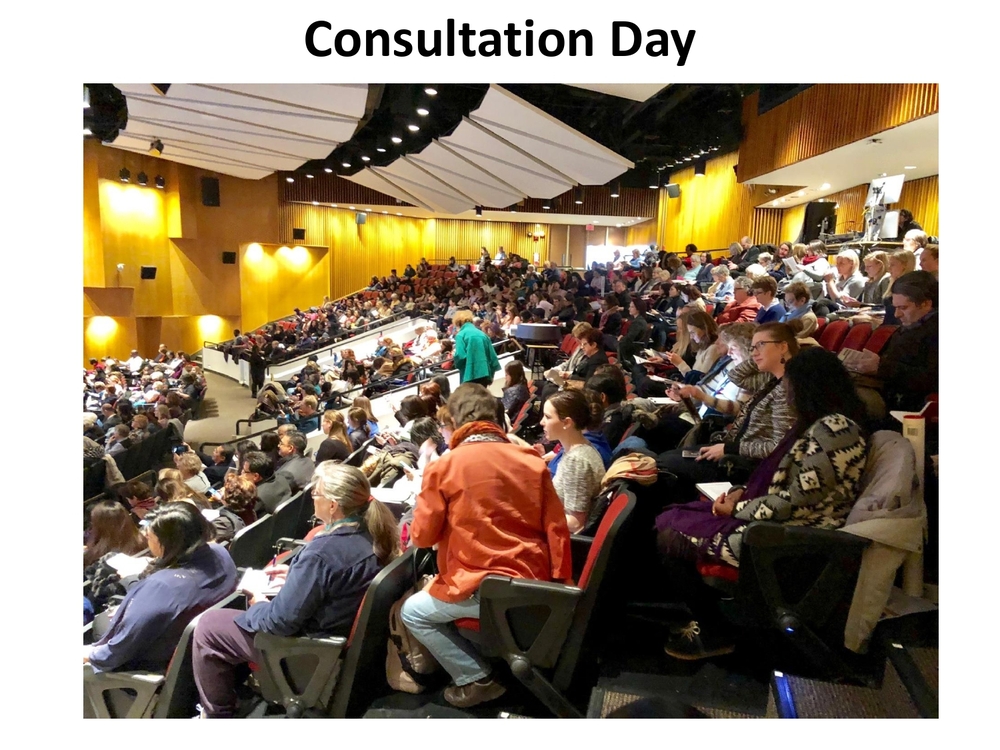
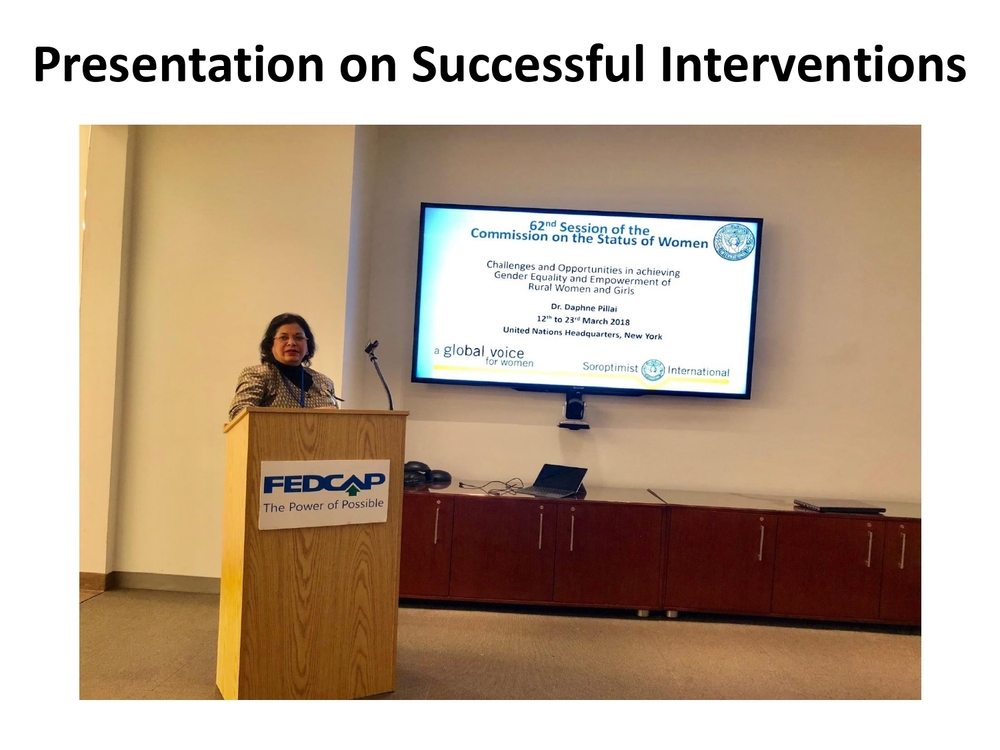
The sixty-second session of the Commission on the Status of Women (CSW) took place at the United Nations Headquarters in New York from March 12-March 23, 2018. The priority theme was ‘Challenges and Opportunities in achieving gender equality and the empowerment of rural women and girls’. The CSW 62 was attended by Representatives of Member States, UN entities and ECOSOC accredited non-governmental organisations (NGO’S) from all regions of the world.
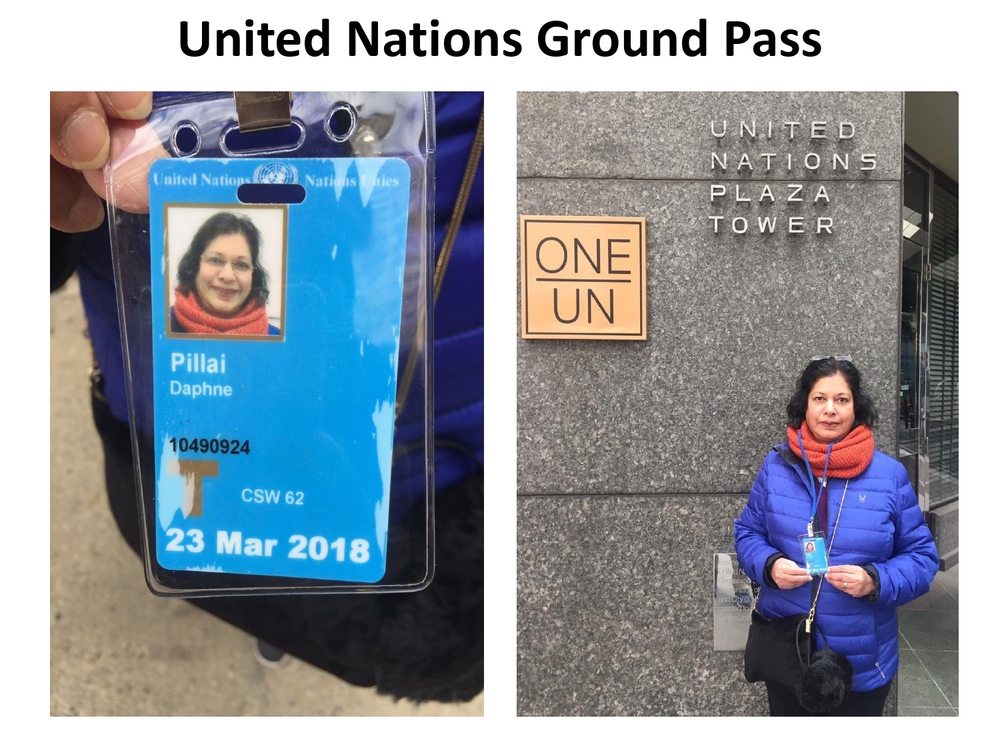
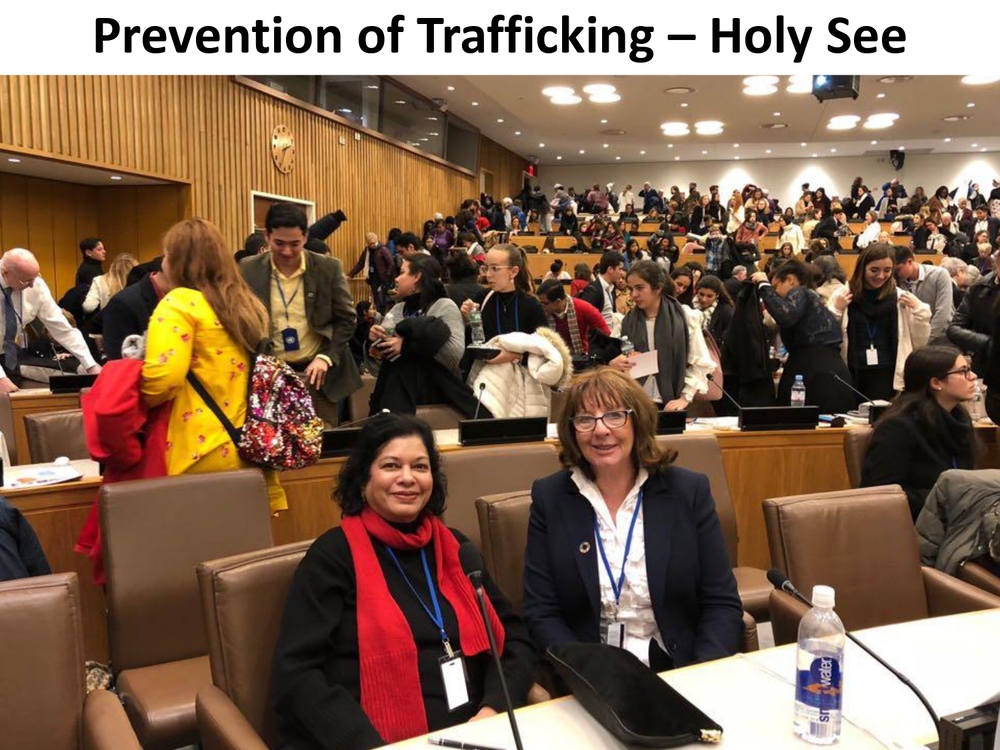
Dr. Daphne Pillai was selected to be a delegate of Soroptimist International of Great Britain and Ireland (SIGBI) at the CSW 62. She blogged on the various UN parallel sessions in which she participated which were published in the SIGBI newsletter and the SIGBI website.
She attended the following sessions and all her blogs written on the following subjects were successfully published.
https://sigbi.org/members/2018/csw62/
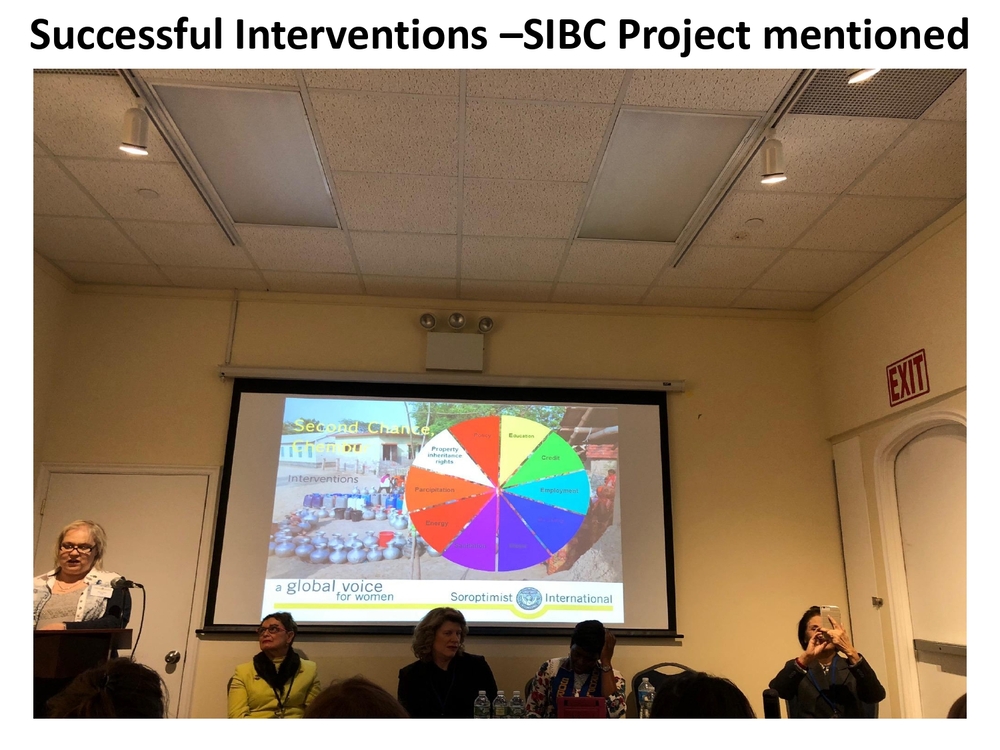
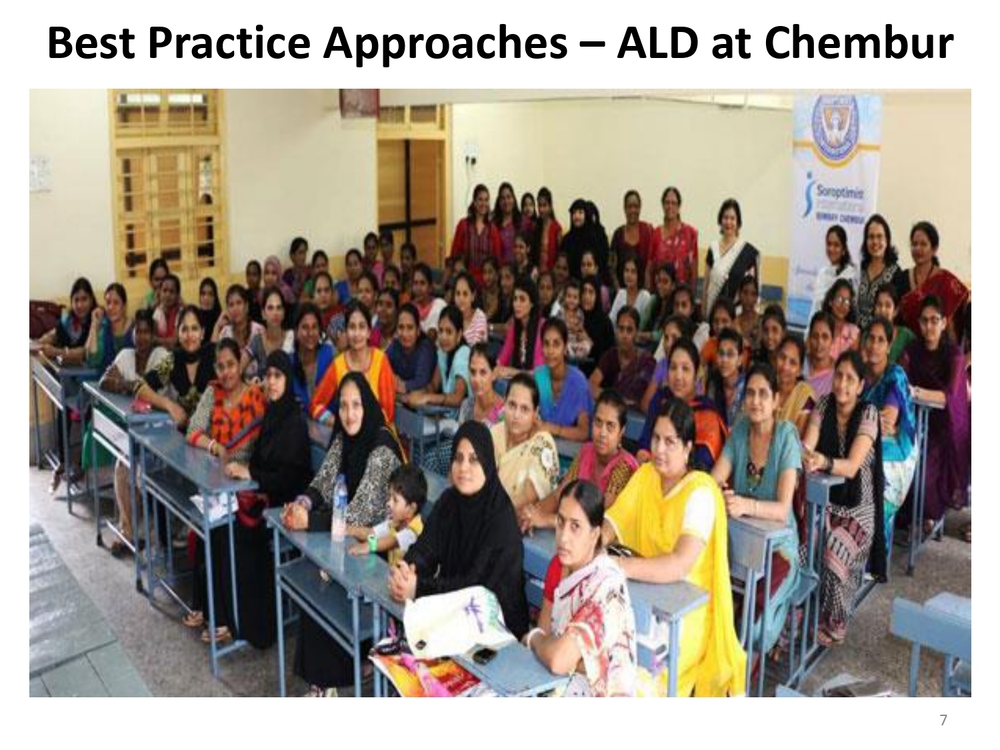
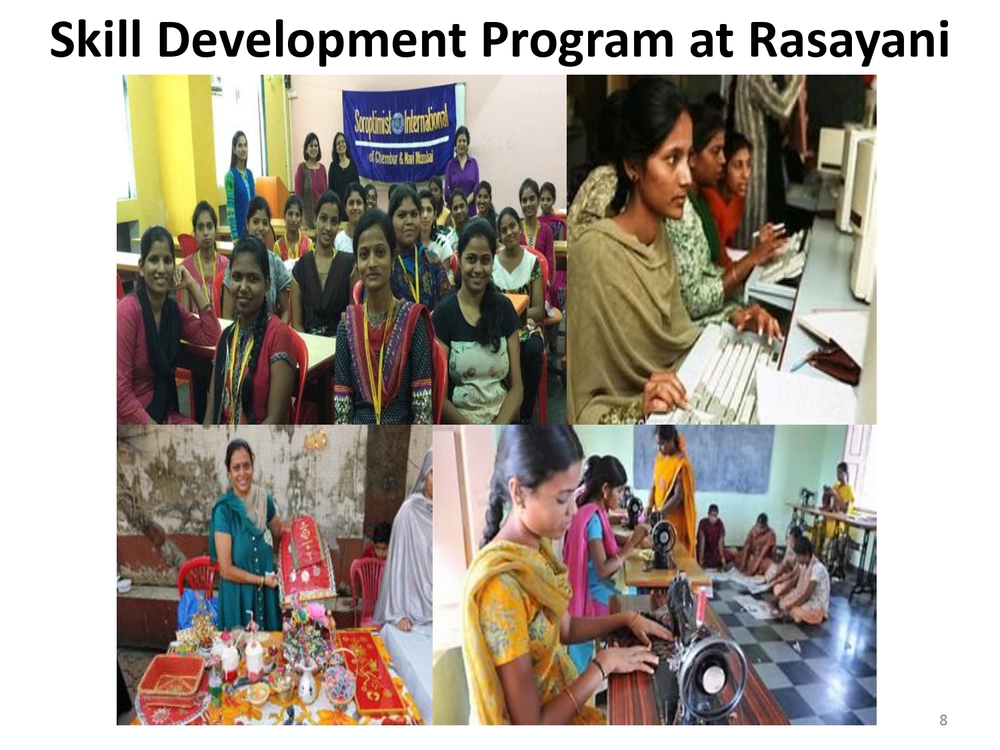
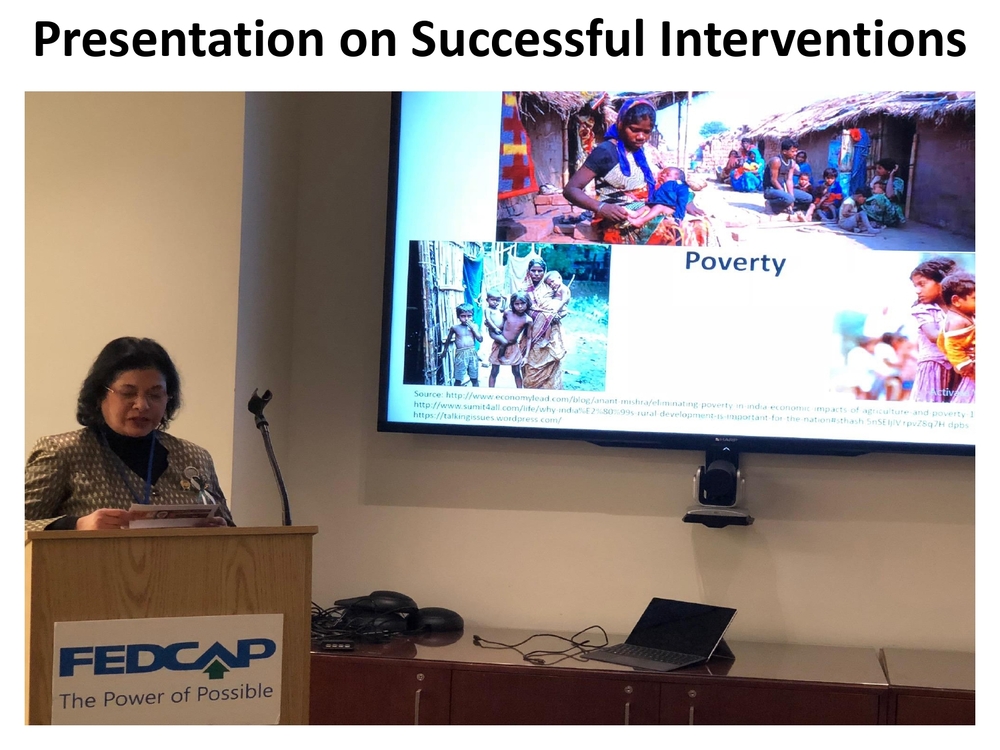
Dr. Pillai also made a presentation on ‘Challenges and Opportunities in achieving Gender Equality and Empowerment of Rural Women and Girls’. Daphne Pillai, Founder President SI-Bombay-Chembur presented the challenges faced by rural women and girls in India with case study references to successful Soroptimist projects in her region of Mumbai- India. These initiatives have been meeting the very real needs of the women and were identified through participatory consultations and evidence based need assessments. The top priorities requested by these rural women and girls were support to improve their spoken English skills and development of practical skills which would enable them to generate independent income. These community level grassroots interventions are great examples of Soroptimists’ aims: educating, enabling and empowering “ in action” and were contrasted by Dr. Pillai with what can often be rhethoric in the plethora of government regulations which are passed though not often implemented as evidenced by the C&AG’s independent report.
Summary